
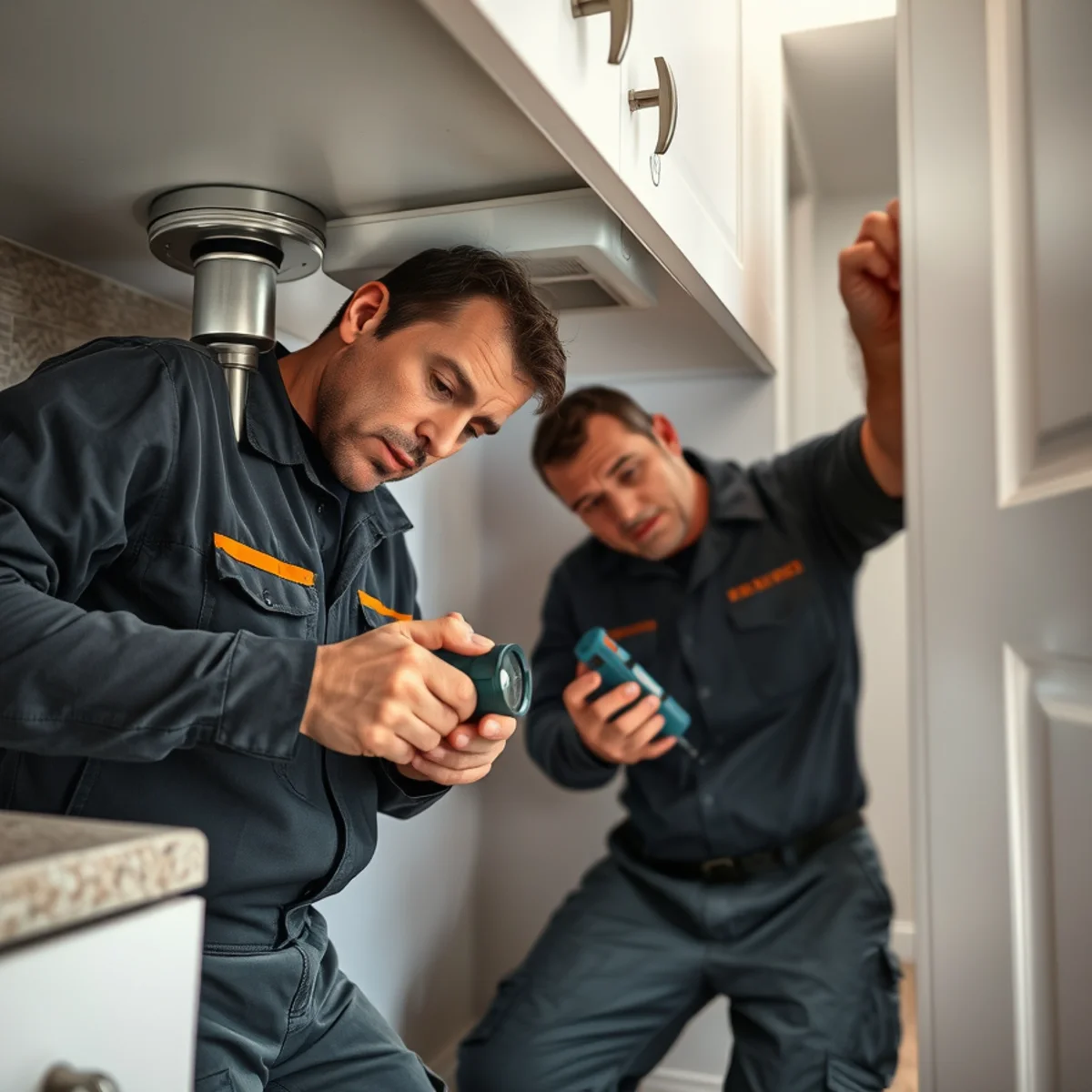
“Roach” can describe very different problems. Large outdoor roaches may enter from drains, valve boxes, garages, or landscape zones, especially after heat or rain. Smaller indoor-adapted roaches can establish close to food, warmth, and moisture and spread through cabinets, appliances, and shared walls. Cockroach control in El Paso starts with identifying which pattern the evidence supports.
Annihilate Pest Control inspects beyond the most visible room. Under-sink leaks, appliance heat, cabinet voids, floor drains, cardboard, pet food, exterior irrigation, and neighboring activity can all influence the treatment plan. A targeted approach also helps avoid the repellent overuse that may scatter some infestations into less accessible areas.
Signs it is time to request cockroach control
- Roaches seen during daylight or in several rooms
- Small roaches, nymphs, or egg cases around appliances and cabinets
- Large roaches near garages, drains, doors, valve boxes, or patios
- Pepper-like droppings, spotting, odor, or cast skins in protected spaces
- Activity that returns after over-the-counter spray use
- Sightings after rain, irrigation changes, plumbing problems, or neighboring work
What is included in cockroach control
Roach identification and life-stage review
Size, markings, egg cases, nymphs, droppings, location, and timing help distinguish an indoor-breeding pattern from larger outdoor invaders. A photograph or specimen can keep the inspection from treating every roach as the same problem.
Source-zone inspection
Cabinet hinges, appliance heat, sink and plumbing gaps, floor drains, laundry areas, cardboard, pet stations, grease edges, exterior valve boxes, irrigation, trash, and shared walls are checked according to the evidence.
Targeted treatment and placement plan
The method and service zones are chosen after identification. Existing sprays, foggers, baits, cleaning changes, and occupied or food-handling areas are discussed so incompatible or poorly placed products do not undermine the plan.
Monitoring and corrective actions
Sighting locations and monitoring points show whether pressure is declining or shifting. Leak repair, food and water control, cardboard reduction, drain attention, exclusion, and multi-unit coordination are prioritized where they affect the active source.
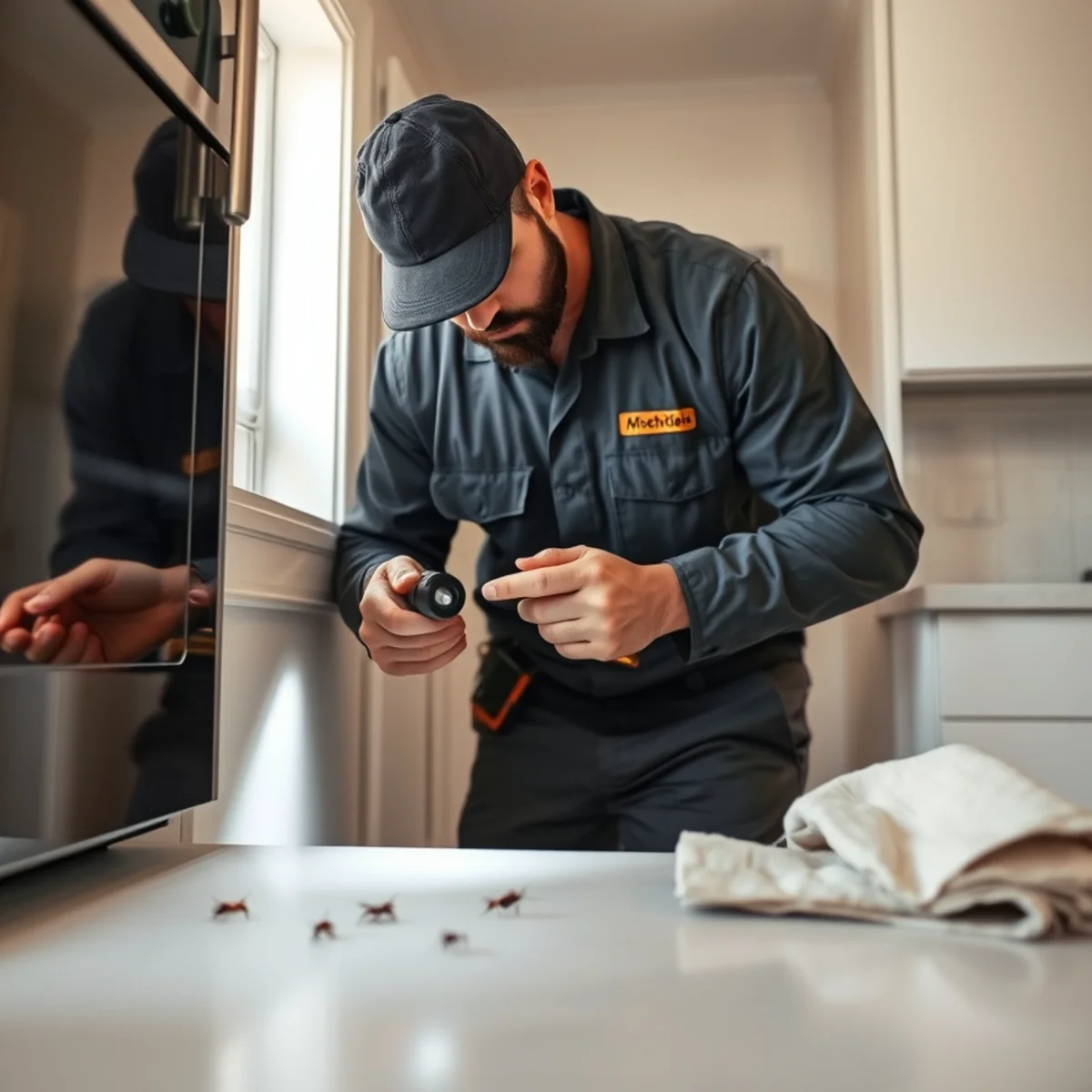
Our service process
Identify the pattern
Size, color, location, life stages, and evidence help distinguish an indoor breeding issue from outdoor invaders and guide where the inspection needs to expand.
Find food, water, and shelter
Kitchens, bathrooms, laundry areas, drains, appliances, storage, exterior boxes, irrigation, and gaps are checked for the conditions supporting activity.
Use targeted tools
The treatment strategy is matched to the roach and setting. Placement matters; products used randomly or in conflict with each other can reduce effectiveness.
Measure the decline
Monitoring and sighting records help show whether the population is shrinking and whether one hidden source or adjoining zone still needs attention.
Weather can change the pattern overnight
After seasonal rain or heavy irrigation, outdoor roaches may leave flooded shelter and move toward garages and structures. Extreme heat can also concentrate them near water. That sudden movement does not always mean an indoor colony, but repeated small nymphs or egg cases inside are evidence that the problem is developing closer to living spaces.
Note where the first sighting happened. A trail from a garage floor drain suggests a different source than repeated activity in the hinge side of kitchen cabinets. Photos or captured specimens can shorten the identification step and keep the treatment focused.
What homeowners can change immediately
Repair leaks, dry sink and counter areas overnight, move pet food into sealed containers, remove grease and crumbs from appliance edges, and reduce cardboard storage. Do not leave standing water in buckets or plant trays. Outside, check irrigation boxes, drains, trash storage, and the seal around exterior doors.
Avoid layering multiple sprays, foggers, and baits without guidance. Some products can contaminate bait placements or push roaches into new voids. Tell the technician what you have already used and where; that information helps shape the next step.
Make the first visit more productive
Before requesting cockroach control, write down where and when you noticed roaches seen during daylight or in several rooms, small roaches, nymphs, or egg cases around appliances and cabinets, large roaches near garages, drains, doors, valve boxes, or patios. Photograph evidence when you can do so safely, but do not disturb nests, droppings, mud tubes, harborages, or unfamiliar pests just to create a closer image. If you have used a product, installed an older barrier, moved furniture, repaired a leak, or changed landscaping, share the timing. Those details help connect the visible symptom to the route.
Clear access to the active zone without moving the problem into another room or structure. Be ready to discuss roach species and whether breeding is occurring indoors, number of affected rooms, units, drains, or exterior source areas, kitchen and appliance access, clutter, and sanitation conditions. A precise history allows the assessment to spend less time reconstructing the story and more time confirming the source, explaining options, and defining what should happen first.
What affects the estimate?
No fake flat price can represent every property. These factors shape the scope:
- Roach species and whether breeding is occurring indoors
- Number of affected rooms, units, drains, or exterior source areas
- Kitchen and appliance access, clutter, and sanitation conditions
- Shared-wall or commercial conditions that may require broader coordination
- Follow-up and monitoring needs for established infestations
Why choose Annihilate Pest Control for cockroach control
Identification changes the entire plan
Small roaches reproducing near kitchens or bathrooms and larger roaches moving from drains, garages, or landscape zones do not call for the same inspection map, preparation, placement, or follow-up.
Clean properties still get useful answers
Deliveries, shared walls, plumbing, appliance heat, irrigation boxes, drains, and neighboring activity can create pressure despite routine cleaning. The visit looks for the specific food, water, shelter, and route instead of blaming the occupant.
Owner-led communication and follow-up
Robert is repeatedly named in supplied reviews for thorough work, explanations, schedule flexibility, and follow-up. Those behaviors help when sightings, monitoring, and corrective actions must be compared over time.
Residential and commercial context
Annihilate Pest Control can evaluate homes, rentals, offices, retail, warehouses, and other commercial properties. Shared walls, deliveries, customer visibility, kitchens, breakrooms, waste, and drains are incorporated without inventing a standard frequency or compliance guarantee.
Cockroach Control across the El Paso service area
Cockroach control is available across listed Texas service areas, including Mission Valley and Socorro properties affected by irrigation or drains, Downtown El Paso shared-wall buildings, and Eastside homes and businesses. Weather, plumbing, deliveries, exterior utility boxes, and adjoining occupancy can change the source from one block to the next.
Provide the full address, size and appearance of the roach, rooms and times seen, whether nymphs or egg cases are present, recent rain or plumbing issues, and every product already used. A safe photograph or captured specimen can shorten the identification step.
pest control in Mission Valley El Paso, pest control in Socorro, pest control in Downtown El Paso, and pest control in Eastside El Paso are detailed in their local service guides.