
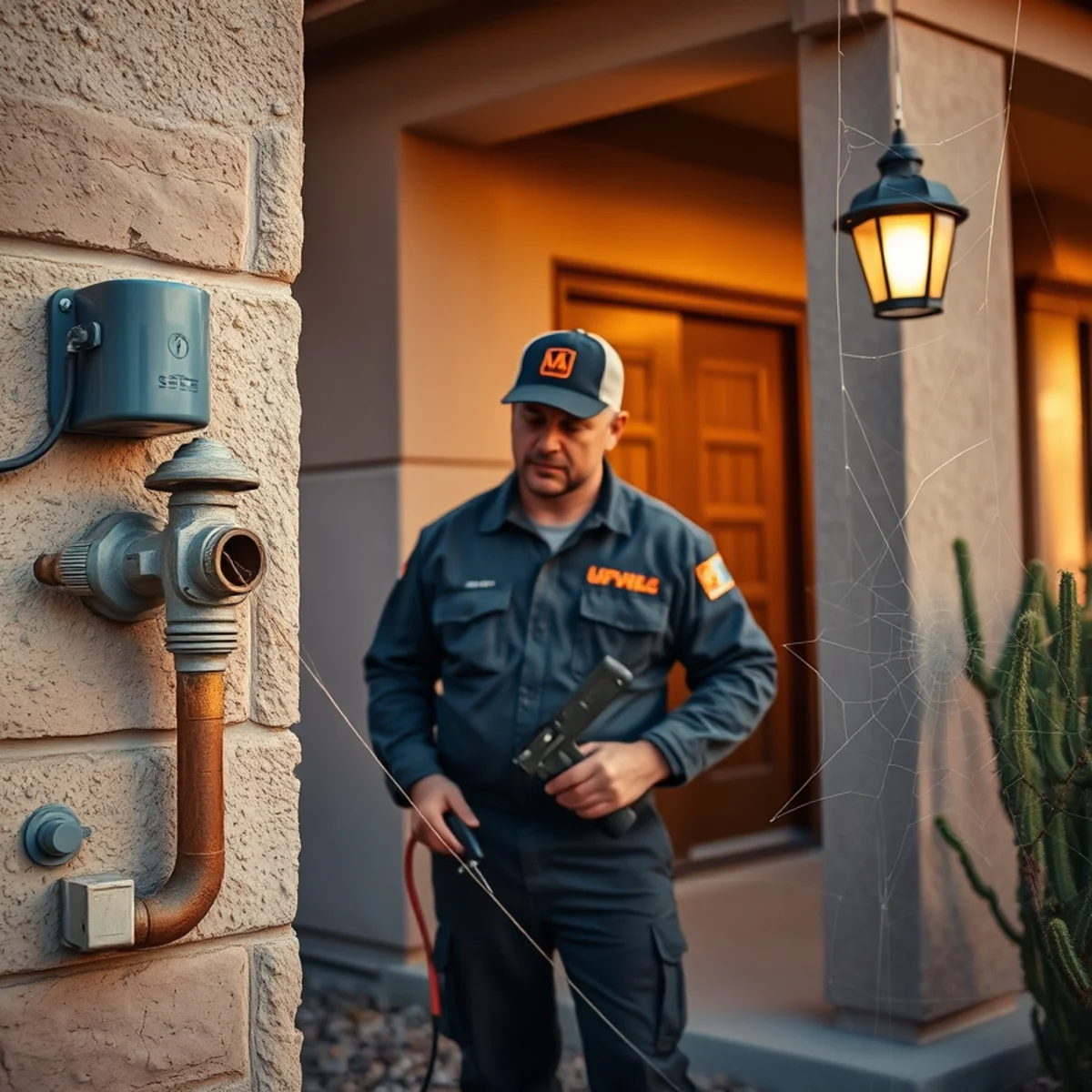
Ant trails and spider webs are both clues. Ants are following a route between a colony and a resource. Spiders are choosing places where shelter and prey are dependable. Wiping the trail or web removes what you see, but it does not necessarily change the route. Ant and spider control in El Paso focuses on why the location keeps working for the pest.
Annihilate Pest Control checks interior activity alongside exterior walls, lighting, vegetation, irrigation, utility lines, door gaps, rock features, and storage. Treatment can then focus on colony routes, cracks, web-building zones, and the insect pressure feeding spiders. The owner receives practical advice about what to seal, trim, dry, move, or monitor after service.
Signs it is time to request ant & spider control
- Ant trails that re-form after cleaning
- Ants around pantry goods, pet food, sinks, windows, or wall outlets
- Webs rebuilding around lights, eaves, garage corners, or storage
- Spiders appearing in tubs, closets, boxes, or low-traffic rooms
- Insect activity concentrated near exterior lighting and doorways
- Bites or sightings without a confirmed insect or arachnid identification
What is included in ant & spider control
Trail, web, and identification review
Ant size, trail direction, entry point, nesting clues, spider body shape, web type, exact location, and photographs or specimens help determine where the visible activity begins and which lookalikes should be ruled out.
Colony route and prey assessment
Food, sinks, irrigation, vegetation, utility lines, wall gaps, rock, exterior lights, eaves, garage corners, storage, and other insects are reviewed. Ants are traced toward a resource or nest; spiders are connected to shelter and dependable prey.
Targeted ant and spider service
Treatment zones are chosen for the identified trail, colony pattern, web area, harborage, and property use. Specific product or bait claims are not made until the pest and placement conditions are evaluated.
Web, entry, and environment priorities
Owners receive a ranked plan for web removal, food and water control, lighting, vegetation, storage, sealing, and monitoring. The recommendations focus on the observed route rather than a generic demand to eliminate every insect outdoors.
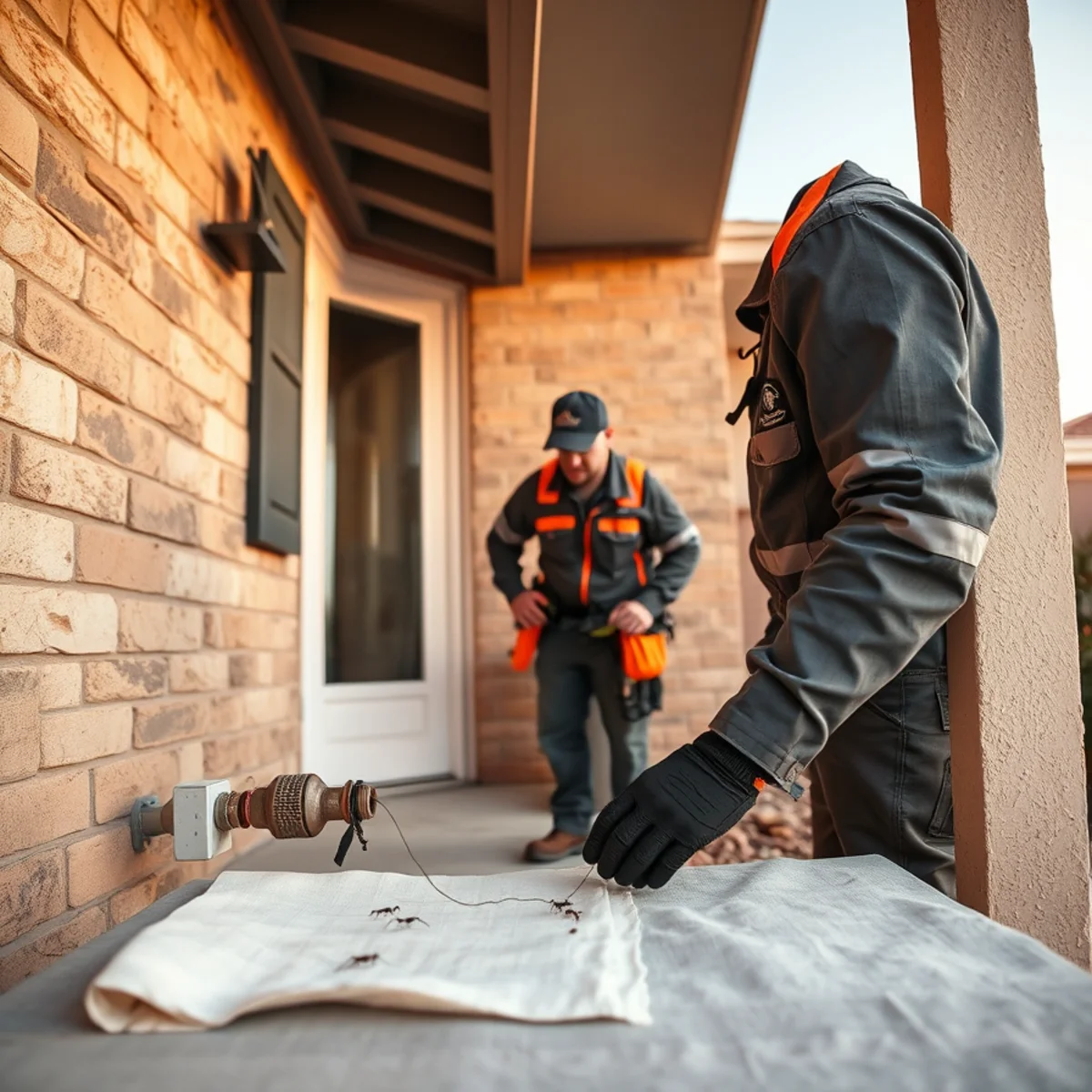
Our service process
Trace the activity
Trail direction, web location, prey insects, moisture, lighting, and shelter are reviewed. The visible pest is connected to the exterior or concealed conditions supporting it.
Identify before treating
Different ant nesting patterns and spider behaviors require different placement. Photographs or specimens are useful when the pest is not present during the visit.
Target nests and harborages
Treatment is placed around relevant routes, cracks, exterior edges, or sheltered areas. Web removal may be part of disrupting established spider zones.
Change the environment
Owners receive a short prevention list covering food, water, vegetation, lighting, storage, and entry gaps that matter for the observed pattern.
Why trails and webs return
Ant workers can follow chemical trails through tiny gaps, along pipes, under thresholds, and across exterior walls. Cleaning a trail disrupts it temporarily, but the colony may establish another route to the same water or food. Spider webs return when a corner continues to offer structure, low disturbance, and a regular supply of insects.
The answer is not identical for both pests, but the inspection logic is similar: follow the pattern. A trail ending at a plumbing penetration points to access and moisture. Webbing around a bright porch fixture points to the insects gathered there at night. Treating those supporting conditions makes removal more durable.
Reduce the signals that draw activity
Store sweets and pet foods in sealed containers, clean residues around recycling, repair slow drips, and trim vegetation away from walls. Consider warmer-colored exterior lighting where insects gather heavily. Clear undisturbed boxes and fabric from garage corners, and repair screens or door seals that allow prey insects indoors.
Do not handle an unknown spider with bare hands. If identification matters, photograph it from a safe distance or capture it only if you can do so without contact. Note the location, body size, markings, and whether a web was present. Those details are more reliable than color alone.
Make the first visit more productive
Before requesting ant & spider control, write down where and when you noticed ant trails that re-form after cleaning, ants around pantry goods, pet food, sinks, windows, or wall outlets, webs rebuilding around lights, eaves, garage corners, or storage. Photograph evidence when you can do so safely, but do not disturb nests, droppings, mud tubes, harborages, or unfamiliar pests just to create a closer image. If you have used a product, installed an older barrier, moved furniture, repaired a leak, or changed landscaping, share the timing. Those details help connect the visible symptom to the route.
Clear access to the active zone without moving the problem into another room or structure. Be ready to discuss whether activity is isolated or spread across interior and exterior zones, ant nesting location and spider harborage access, property size, perimeter complexity, landscaping, and block walls. A precise history allows the assessment to spend less time reconstructing the story and more time confirming the source, explaining options, and defining what should happen first.
What affects the estimate?
No fake flat price can represent every property. These factors shape the scope:
- Whether activity is isolated or spread across interior and exterior zones
- Ant nesting location and spider harborage access
- Property size, perimeter complexity, landscaping, and block walls
- Related insect pressure that supports spider activity
- Need for repeat monitoring when the source is concealed or shared
Why choose Annihilate Pest Control for ant & spider control
Two pests, two evidence trails
Ants organize around colony routes and resources; spiders remain where web sites, shelter, and prey work. The combined page does not flatten them into one perimeter-spray problem.
El Paso exterior conditions included
Block walls, rock landscaping, irrigated pockets, open desert edges, exterior lighting, eaves, garages, and windblown insects can connect outdoor pressure to indoor trails and web zones.
Owner-led explanation and follow-up
Robert is repeatedly identified in supplied reviews for thorough work, professional communication, schedule flexibility, and follow-up. That supports a service where later trail or web changes should be reported precisely.
No unverified species or risk claim
Unknown spiders and ants are not assigned a dangerous identity from color alone. The service uses safe photos, specimens, exact location, and observable evidence to guide identification, treatment, and any appropriate next step.
Ant & Spider Control across the El Paso service area
Ant and spider control is available in listed Texas areas, including Westside and Upper Valley El Paso properties with mature landscaping, Mission Valley homes near irrigated corridors, and Horizon City neighborhoods beside active construction or open desert. Trail and web pressure can differ sharply within the same community.
Share the full address, exact trail or web locations, time of activity, recent rain or irrigation change, and every product already used. Safe photographs taken before wiping a trail or web can preserve the route for inspection.
pest control in Westside El Paso, pest control in Upper Valley El Paso, pest control in Mission Valley El Paso, and pest control in Horizon City are detailed in their local service guides.