

A pest problem at home changes how you use the space. You start checking the floor before stepping into a dark room, avoiding the pantry shelf where insects appeared, or wondering what is moving above the ceiling. Residential pest control in El Paso should replace that uncertainty with a careful inspection and a plan explained in plain language.
Annihilate Pest Control provides preventive and treatment-based service for local homes. Robert's reviews repeatedly describe preparation, courtesy, close attention to cracks and hiding places, and respect for the customer's schedule. That owner-led approach is especially useful when the issue touches bedrooms, kitchens, pets, children, stored belongings, or solar equipment—areas where a generic treatment is not enough.
Signs it is time to request residential pest control
- Recurring insects in living rooms, bathrooms, bedrooms, or kitchens
- Pests entering through garage doors, patio doors, window gaps, or utility openings
- Activity around pet food, pantry goods, cardboard, or stored items
- Scorpions or spiders showing up in tubs, closets, or floor-level hiding places
- Sounds, droppings, nesting material, or gnawing that suggest rodents
- Pigeons roosting on the roof or nesting beneath solar panels
What is included in residential pest control
Household and pest history
The first conversation covers the rooms in use, children and pets, recent moves or deliveries, earlier products, plumbing or irrigation changes, and the timing of sightings. Those details guide preparation and keep the service centered on the real household.
Interior-to-exterior inspection
The active room is traced to the matching exterior wall, utility route, garage, roofline, landscaping, moisture source, or storage condition. Entry points and harborage matter because a clean interior can still receive pressure from outside.
Customized treatment zones
Interior placement is limited to the areas supported by evidence, while exterior work can focus on thresholds, wall transitions, rock-wall bases, shaded routes, and other pest-specific travel paths. Instructions are tied to the chosen method.
Home prevention priorities
The walkthrough ends with a ranked list for door sweeps, food and pet storage, leaks, cardboard, lighting, vegetation, or roof access. Monitoring notes help the household distinguish a changing trend from a new source.
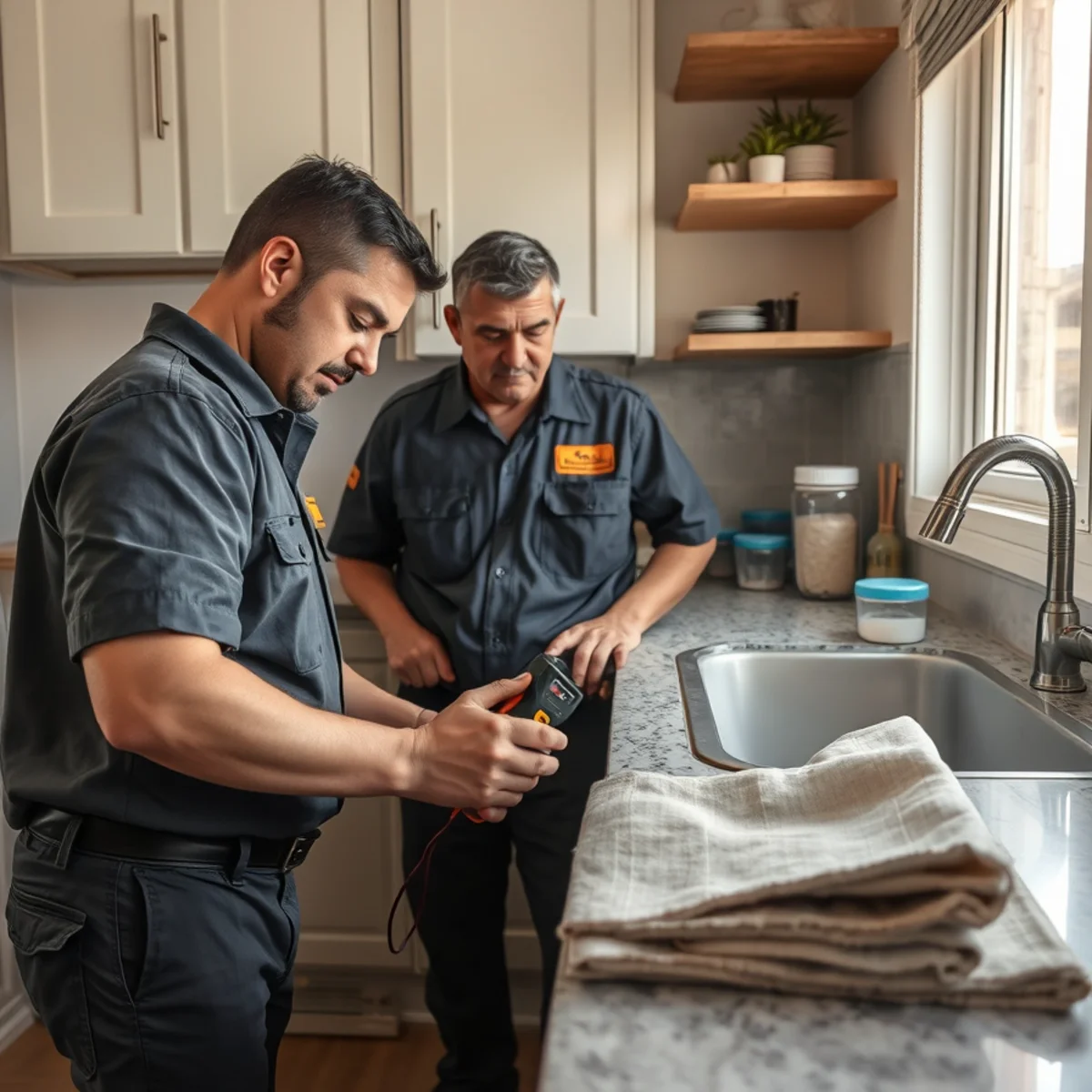
Our service process
Understand the household
The technician asks what you have seen, where family members and pets spend time, which rooms need attention, and whether previous treatments changed the pattern.
Inspect inside and outside
The inspection follows the likely route from exterior shelter to interior activity. Door thresholds, wall penetrations, moisture sources, rooflines, garages, storage, and pest-specific hiding areas are reviewed.
Treat with purpose
Applications are chosen for the target pest and placed where they can do useful work. You are told what is being addressed, how to prepare, and any re-entry or cleanup instructions that apply.
Build a prevention routine
The final walkthrough prioritizes practical repairs and habits. You leave with a shorter, clearer list—not a vague warning to keep the entire property spotless.
A home is not a one-size-fits-all treatment zone
An older central El Paso home can have settled thresholds, mature landscaping, and decades of patched penetrations. A newer far-east home may sit next to open desert, active construction, block-wall corridors, and fresh irrigation. Upper Valley properties can add vegetation and moisture that support different insects. The inspection has to account for the house and what surrounds it.
That context also helps separate a one-time visitor from a pattern. One windblown insect by a door is different from egg cases under an appliance. A single rodent dropping in a garage is different from rub marks, shredded nesting material, and repeated sounds in a wall. Good service does not exaggerate the problem, but it does document what the evidence supports.
How to prepare without turning the house upside down
Preparation depends on the pest. For a general visit, make problem areas accessible, note recent sightings, secure pet items, and avoid cleaning away every piece of evidence before the technician sees it. For bed bugs, rodents, or pantry pests, you may receive more detailed instructions because moving items carelessly can spread the issue.
After service, follow the specific guidance you receive rather than relying on a generic online checklist. Keep track of dates and locations if you see more activity. That simple record helps distinguish normal disruption from a surviving source that needs another look.
Make the first visit more productive
Before requesting residential pest control, write down where and when you noticed recurring insects in living rooms, bathrooms, bedrooms, or kitchens, pests entering through garage doors, patio doors, window gaps, or utility openings, activity around pet food, pantry goods, cardboard, or stored items. Photograph evidence when you can do so safely, but do not disturb nests, droppings, mud tubes, harborages, or unfamiliar pests just to create a closer image. If you have used a product, installed an older barrier, moved furniture, repaired a leak, or changed landscaping, share the timing. Those details help connect the visible symptom to the route.
Clear access to the active zone without moving the problem into another room or structure. Be ready to discuss home square footage and the number of structures on the property, the pest, life stage, and evidence of nesting or reproduction, interior treatment needs compared with exterior-only prevention. A precise history allows the assessment to spend less time reconstructing the story and more time confirming the source, explaining options, and defining what should happen first.
What affects the estimate?
No fake flat price can represent every property. These factors shape the scope:
- Home square footage and the number of structures on the property
- The pest, life stage, and evidence of nesting or reproduction
- Interior treatment needs compared with exterior-only prevention
- Access beneath appliances, in garages, on roofs, or around solar panels
- Follow-up needs and the prevention schedule appropriate for the property
Why choose Annihilate Pest Control for residential pest control
The technician listens before treating
Reviewers repeatedly describe Robert asking questions, explaining what he will do, and respecting the customer's schedule. That communication is especially important when bedrooms, kitchens, pets, or children affect preparation.
One home, one evidence trail
The page does not promise a single spray pattern for every house. New construction, older thresholds, irrigation, block walls, garage storage, and solar equipment are evaluated as different pathways.
Specialty problems stay separate
Termites, bed bugs, rodents, and pigeons are not folded into a vague household package when they require different inspections, preparation, proofing, cleanup, or monitoring.
Trust supported by observable behavior
10+ years of experience and 135 supplied reviews support thorough work, clear explanations, appointment communication, and follow-up without relying on an unverified guarantee.
Residential Pest Control across the El Paso service area
Residential pest control serves listed Texas households across central El Paso, the Far East growth corridor, Upper and Lower Valley communities, and Fort Bliss-area housing. A compact city lot, irrigated valley property, newer subdivision, and larger county parcel can place very different exterior conditions around the living space.
The linked local guides explain the ZIP codes, construction patterns, weather exposure, and access details worth sharing. Provide the complete Texas address so coverage and the first appointment can be confirmed.
pest control in El Paso, pest control in Horizon City, pest control in Canutillo, and pest control in Fort Bliss are detailed in their local service guides.