
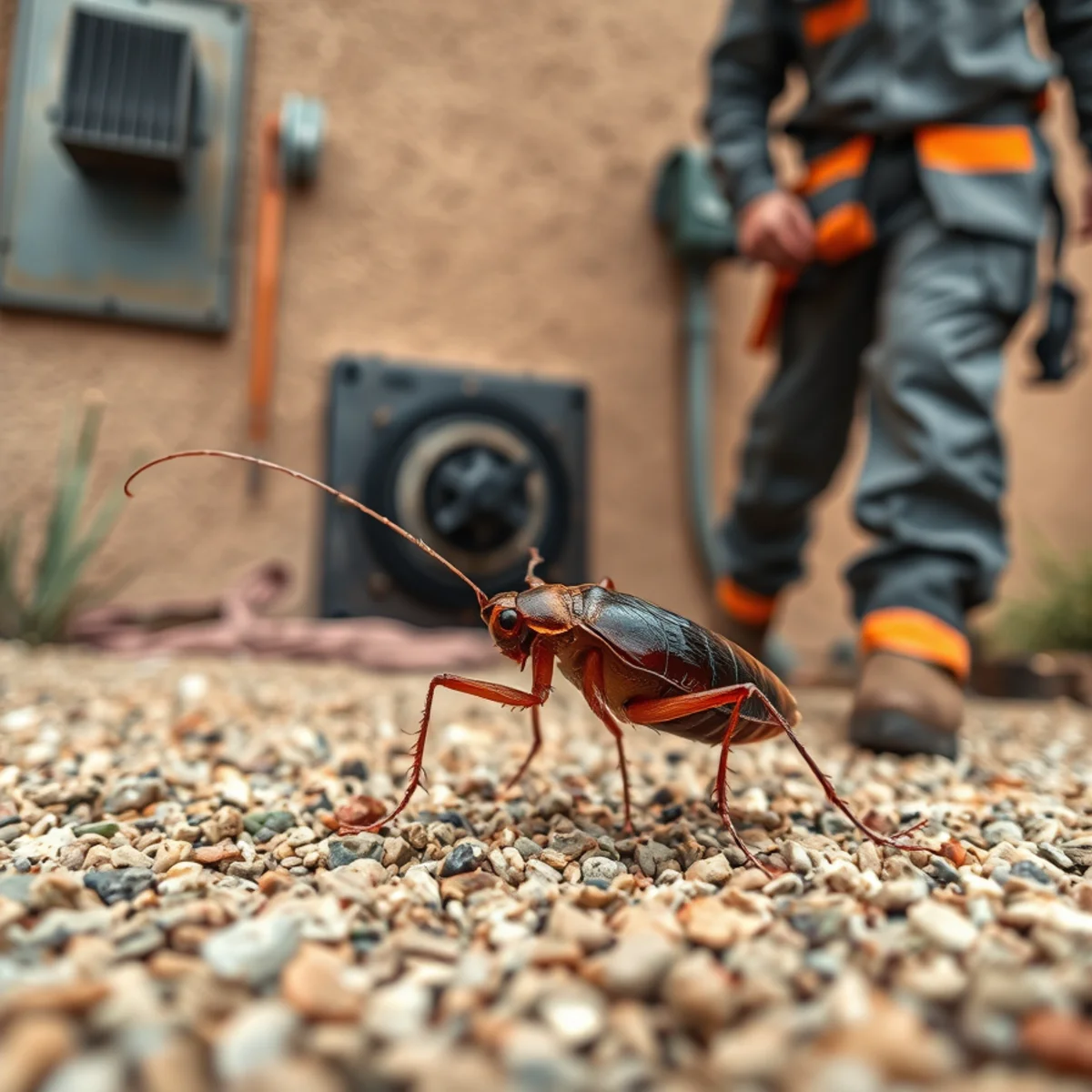
Answer first: Roaches often appear after El Paso rain because water floods outdoor shelter and redirects them toward dry garages, walls, drains, and utility gaps. One large roach by an exterior door differs from small roaches, nymphs, or egg cases around appliances. Document size, location, life stages, moisture, and whether activity continues as surfaces dry.
A sudden roach sighting after rain does not automatically mean the house became infested overnight. Water can flood valve boxes, drains, wall voids, landscape shelter, and other exterior harborages, pushing large roaches toward garages and dry structures.
The next step depends on size, life stage, location, and whether activity continues. One large outdoor invader by a door is a different pattern from small roaches and egg cases around kitchen appliances.
How to use this guide
- Start with rain changes shelter and travel routes. Use the detailed section below to record what is true at this property before choosing the next action.
- Then check identify the pattern, not just the color. Use the detailed section below to record what is true at this property before choosing the next action.
- Compare the evidence with inspect moisture on both sides of the wall. Use the detailed section below to record what is true at this property before choosing the next action.
- Finish by reviewing close common storm routes. Use the detailed section below to record what is true at this property before choosing the next action.
Rain changes shelter and travel routes
In dry weather, outdoor roaches cluster near dependable moisture. Heavy rain can turn that shelter into an exposed or flooded space. Walls, thresholds, utility penetrations, and drainage lines become routes toward higher, drier conditions.
Runoff may also carry organic material toward new areas and create temporary standing water. The combination of movement and new resources can make activity highly visible for several days.
Identify the pattern, not just the color
Roach color varies with species, age, lighting, and individual condition. More useful clues include body size, presence of nymphs, exact room, time of day, egg cases, spotting, and whether several life stages appear together.
Photograph or capture a specimen safely. Repeated small roaches near warmth, food, and cabinet cracks suggest a closer indoor source than a single large roach in the garage after a storm.
Inspect moisture on both sides of the wall
A roach by the laundry room may relate to a drain, pipe gap, or damp exterior box on the other side. Check under sinks, appliance lines, floor drains, condensate, irrigation, hose connections, and low spots that hold water.
Dry surfaces where practical and repair persistent leaks. In a desert climate, removing one reliable water source can significantly change the usefulness of a harborage.
Close common storm routes
Check garage seals, exterior doors, screens, pipe and cable penetrations, and gaps around additions. Clear debris from drainage paths and avoid stacking cardboard near damp walls.
Do not seal designed drainage or ventilation openings without understanding their purpose. Focus on damaged or unintended gaps connected to evidence.
Avoid scattering an indoor problem
Foggers and repeated repellent sprays can push roaches deeper into cabinets, appliances, and wall voids. They can also conflict with baits. Tell the technician exactly what products were used and where.
Use a few monitoring placements as directed, store food and pet supplies in sealed containers, clean grease at appliance edges, and keep the area accessible for inspection.
Know when the weather is no longer the whole explanation
If small roaches, nymphs, egg cases, daytime sightings, or activity in several rooms continue, request an inspection. The rain may have made the problem visible, but it may not be the only source.
Document the trend for several days rather than relying on memory. Fewer large roaches near one exterior door is encouraging; expanding activity around a kitchen needs a different response.
Expert insight: Run a post-rain source check
Within a day of significant rain, inspect exterior valve boxes, floor drains, low landscape zones, garage thresholds, trash storage, and the wall behind indoor sightings. Photograph standing water and clear drainage where it is safe. Note whether the roaches are large adults appearing alone or whether small life stages and egg cases are present. That distinction changes the urgency and the likely source.
For the next week, record sightings at night and early morning. Dry sinks, contain food, reduce cardboard, and repair persistent leaks without adding several new pesticides. If large outdoor roaches decline as exterior areas dry, continue exclusion and moisture work. If small roaches spread around appliances or appear during daylight, request a focused indoor inspection.
Share the rainfall date, irrigation schedule, plumbing issues, recent product use, and exact route with the technician. A storm can trigger movement and also reveal a colony that was already close to the structure. The record prevents both extremes: dismissing every sighting as weather and assuming one displaced outdoor roach proves a severe indoor infestation.
Before closing your notes, answer four property-specific questions. What did you document about rain changes shelter and travel routes? Which condition from know when the weather is no longer the whole explanation can you check without creating a safety risk? How would you answer “Do roaches come up through drains after rain?” using only evidence from this address? Finally, which date, location, weather event, repair, or contractor visit best explains when the pattern changed? Keep the photos and answers together. If the evidence points toward a current infestation, concealed route, roof hazard, or repeated indoor activity, bring that packet to the estimate. It gives the service provider a usable timeline and keeps the recommendation tied to this property instead of a generic version of roaches after rain El Paso.
Turn those observations into a one-page service brief. Start with the evidence connected to rain changes shelter and travel routes, then make a second column for know when the weather is no longer the whole explanation. Label each photograph with its room, wall, roof edge, or exterior side; include the date and any change after weather, cleaning, construction, or another contractor visit. Use the question “How long should storm-related roach activity last?” as a final check for missing context. A concise record makes it easier to compare the visible symptom with the conditions described in this roaches after rain El Paso guide and keeps the estimate focused on the address in front of the technician.
The practical next step
After rain, start with evidence and moisture. Identify the roach pattern, repair water sources, inspect exterior routes, and avoid product combinations that complicate control. Annihilate Pest Control can determine whether you are dealing with temporary outdoor movement or an established indoor issue.