
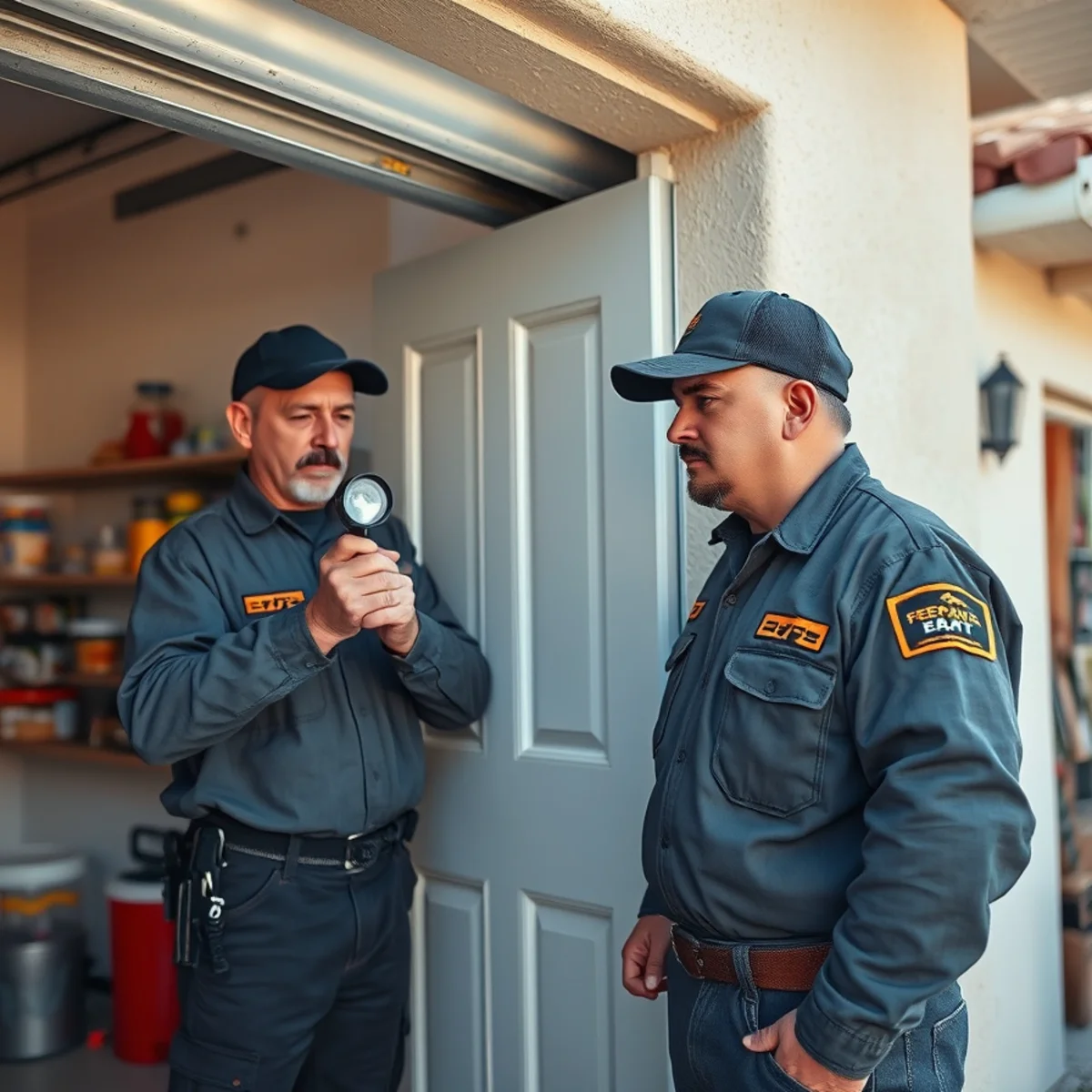
A trap can catch a rodent without explaining how it entered. If a gap at a garage corner, roof return, utility line, or door threshold stays open, another animal can follow the same route. Rodent removal in El Paso is most effective when removal and exclusion are treated as connected parts of the job.
Annihilate Pest Control starts with evidence: droppings, rub marks, gnawing, nesting material, sound locations, food sources, and exterior openings. The desert environment can push rodents toward shaded structures, irrigation, stored seed, pet food, and sheltered engine compartments. A careful inspection helps avoid random bait placement and gives the owner a prioritized list of conditions to correct.
Signs it is time to request rodent removal
- Scratching, movement, or gnawing sounds after dark
- Droppings in pantries, garages, attics, cabinets, or storage rooms
- Chewed packaging, wiring, insulation, weather stripping, or hoses
- Shredded paper, fabric, plant material, or insulation used for nests
- Greasy rub marks or repeated tracks along walls and beams
- Pet interest focused on one appliance, wall, cabinet, or ceiling area
What is included in rodent removal
Current-activity confirmation
Fresh droppings, tracks, rub marks, gnawing, nesting material, food disturbance, and sound locations are compared with older evidence. The active zone and likely rodent guide the plan instead of assuming every attic noise has the same source.
Interior-to-exterior route inspection
The inspection traces activity through pantries, garages, attics, storage, wall lines, doors, vents, roof returns, additions, utility penetrations, and outbuildings. Openings are prioritized by evidence, size, access, and the risk of closing them too early.
Removal and monitoring plan
Devices and monitoring points are chosen for the property, occupants, and confirmed route. Placement, check timing, and evidence—not a generic calendar promise—determine when the active problem appears interrupted.
Exclusion and attractant priorities
Appropriate entry repairs are coordinated with food storage, pet or bird feed, vegetation, water, debris, and garage organization. Cleanup of accumulated droppings or damaged insulation is identified separately when it falls outside removal and exclusion.
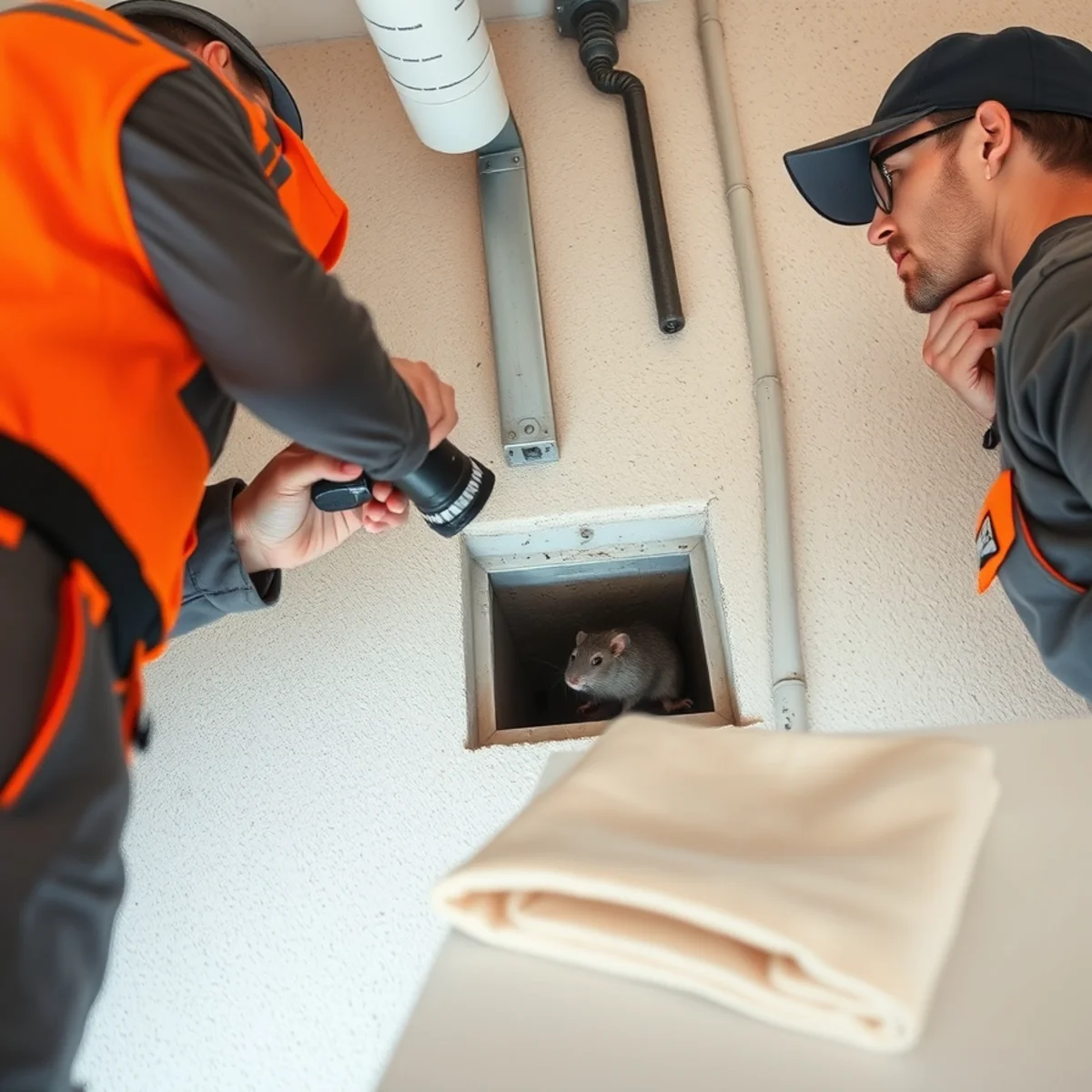
Our service process
Confirm the activity
Evidence is used to estimate the likely rodent, travel route, and active zone. Fresh signs are separated from old contamination so the plan is based on current activity.
Map entry points
Exterior doors, garage edges, roof transitions, vents, penetrations, and gaps around additions are checked. Openings are prioritized by evidence and practicality.
Remove and monitor
The removal strategy is selected for the property and activity. Devices are placed deliberately and monitoring determines whether the route has been interrupted.
Exclude and reduce attractants
Once appropriate, entry points are closed and storage, vegetation, food, water, and debris conditions are addressed to make the property less useful to rodents.
Follow the route instead of chasing the sound
Rodent noise can travel through framing, ducts, and ceiling cavities. The place you hear scratching is not always the place the animal entered or nested. Exterior evidence may be more useful: a worn threshold, a gap beside conduit, gnawing at a corner, or repeated tracks along a wall. Indoors, droppings and rub marks can show the direction of travel.
This route-based approach also helps avoid closing an animal inside. Exclusion timing should match the removal plan and current evidence. A complete seal on the wrong day can shift activity deeper into the structure or create a new exit path.
Make garages and storage less inviting
Garages often combine shelter with easy food. Pet supplies, grass seed, bird seed, bulk pantry goods, cardboard, and rarely moved boxes create both a meal and a hiding place. Move dry goods into rigid sealed containers, lift stored items where practical, and leave enough space to inspect along walls.
Outside, remove dense debris from the foundation, trim branches away from roofs, and check door seals in daylight. A visible strip of light beneath a closed garage door is worth investigating. Exclusion repairs are most valuable when the surrounding attractants are reduced at the same time.
Make the first visit more productive
Before requesting rodent removal, write down where and when you noticed scratching, movement, or gnawing sounds after dark, droppings in pantries, garages, attics, cabinets, or storage rooms, chewed packaging, wiring, insulation, weather stripping, or hoses. Photograph evidence when you can do so safely, but do not disturb nests, droppings, mud tubes, harborages, or unfamiliar pests just to create a closer image. If you have used a product, installed an older barrier, moved furniture, repaired a leak, or changed landscaping, share the timing. Those details help connect the visible symptom to the route.
Clear access to the active zone without moving the problem into another room or structure. Be ready to discuss rodent species, amount of evidence, and number of active zones, attic, crawl, roof, wall, garage, or outbuilding access, number and complexity of entry points requiring exclusion. A precise history allows the assessment to spend less time reconstructing the story and more time confirming the source, explaining options, and defining what should happen first.
What affects the estimate?
No fake flat price can represent every property. These factors shape the scope:
- Rodent species, amount of evidence, and number of active zones
- Attic, crawl, roof, wall, garage, or outbuilding access
- Number and complexity of entry points requiring exclusion
- Monitoring visits and the time needed to confirm removal
- Cleanup needs where droppings or nesting material have accumulated
Why choose Annihilate Pest Control for rodent removal
The route matters as much as the catch
The page and field process connect current evidence to exterior entry and interior travel. That prevents one successful trap from being mistaken for a fully protected structure.
Removal, exclusion, and cleanup are scoped honestly
Active-animal work, monitoring, entry repairs, and contamination cleanup can require different access and labor. The proposal explains what belongs to each part instead of hiding those differences behind a one-price promise.
Owner-led explanations and follow-up
Robert is repeatedly named in the supplied reviews for thoroughness, schedule coordination, clear communication, and checking back. Those behaviors are valuable when monitoring evidence changes between visits.
Residential and commercial pathways understood
Garage thresholds and pantry walls differ from loading areas, shared tenant walls, warehouse storage, and dumpster routes. A site-specific assessment keeps the recommendation tied to how the building is actually used.
Rodent Removal across the El Paso service area
Rodent removal and exclusion are available across listed Texas service areas, including Upper Valley and Canutillo properties with vegetation or outbuildings, Eastside homes beside construction and open lots, and growing Horizon City neighborhoods. Roof transitions, garages, additions, block walls, storage, and irrigation create a different route map at each address.
Provide the exact address, where sounds or evidence occur, time of activity, building type, pet and child considerations, and any prior trap or repair work. The local guides add neighborhood context, while inspection evidence determines coverage and scope.
pest control in Upper Valley El Paso, pest control in Canutillo, pest control in Eastside El Paso, and pest control in Horizon City are detailed in their local service guides.