
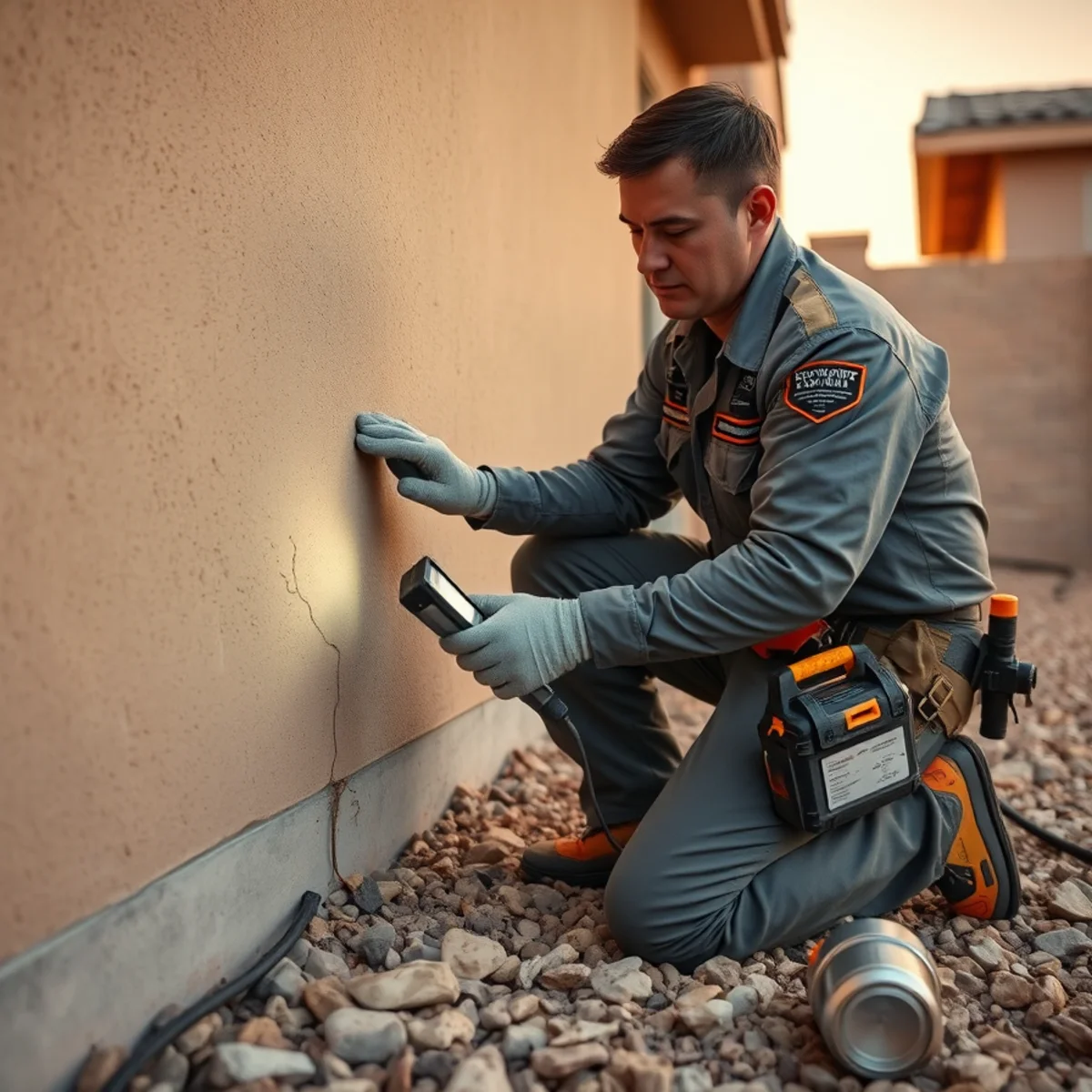
General pest control should do more than make the bugs you can see disappear. A useful service starts by finding the food, moisture, shelter, and entry points that keep the activity going. Annihilate Pest Control approaches each El Paso property as its own system, then focuses treatment where pests travel, hide, and reproduce.
That matters in the Chihuahuan Desert. Hot walls, irrigated landscaping, shaded garages, block fences, roof penetrations, and sudden weather changes create very different pressure from one home to the next. Robert—known locally as Bug'a Boo Bob—is repeatedly praised for being thorough, explaining what he sees, and working around customer schedules. The goal is not a rushed pass around the baseboards. It is a clear plan you understand.
Signs it is time to request general pest control
- Ant trails near sinks, pantries, windows, or exterior walls
- Roaches appearing in kitchens, garages, utility rooms, or outdoor valve boxes
- Spiders and webbing returning soon after cleaning
- Crickets, beetles, or other crawling pests gathering near doors and lights
- Droppings, shed skins, egg cases, or recurring dead insects
- Pest activity that increases after heat, wind, irrigation, or seasonal rain
What is included in general pest control
A pest-and-property interview
The visit starts with the exact rooms, exterior sides, times, weather changes, deliveries, repairs, and earlier treatments connected to the activity. That history helps separate an introduced pest from pressure crossing the building envelope.
Inspection of conducive conditions
Moisture, food, prey insects, harborage, storage, landscaping contact, door seals, plumbing penetrations, garage edges, and utility routes are checked where they relate to the evidence. The goal is to find the resources sustaining the pattern.
Targeted interior and exterior work
The service can prioritize exterior travel routes, rock-wall bases, thresholds, cracks, crevices, or focused indoor zones. Placement and method follow the confirmed pest and setting instead of treating every surface as interchangeable.
A prevention and monitoring plan
You receive a practical list of sealing, moisture, lighting, storage, or landscaping actions, plus the signs worth recording after service. If follow-up is useful, the reason and the active zones should be clear.
Our service process
Listen and inspect
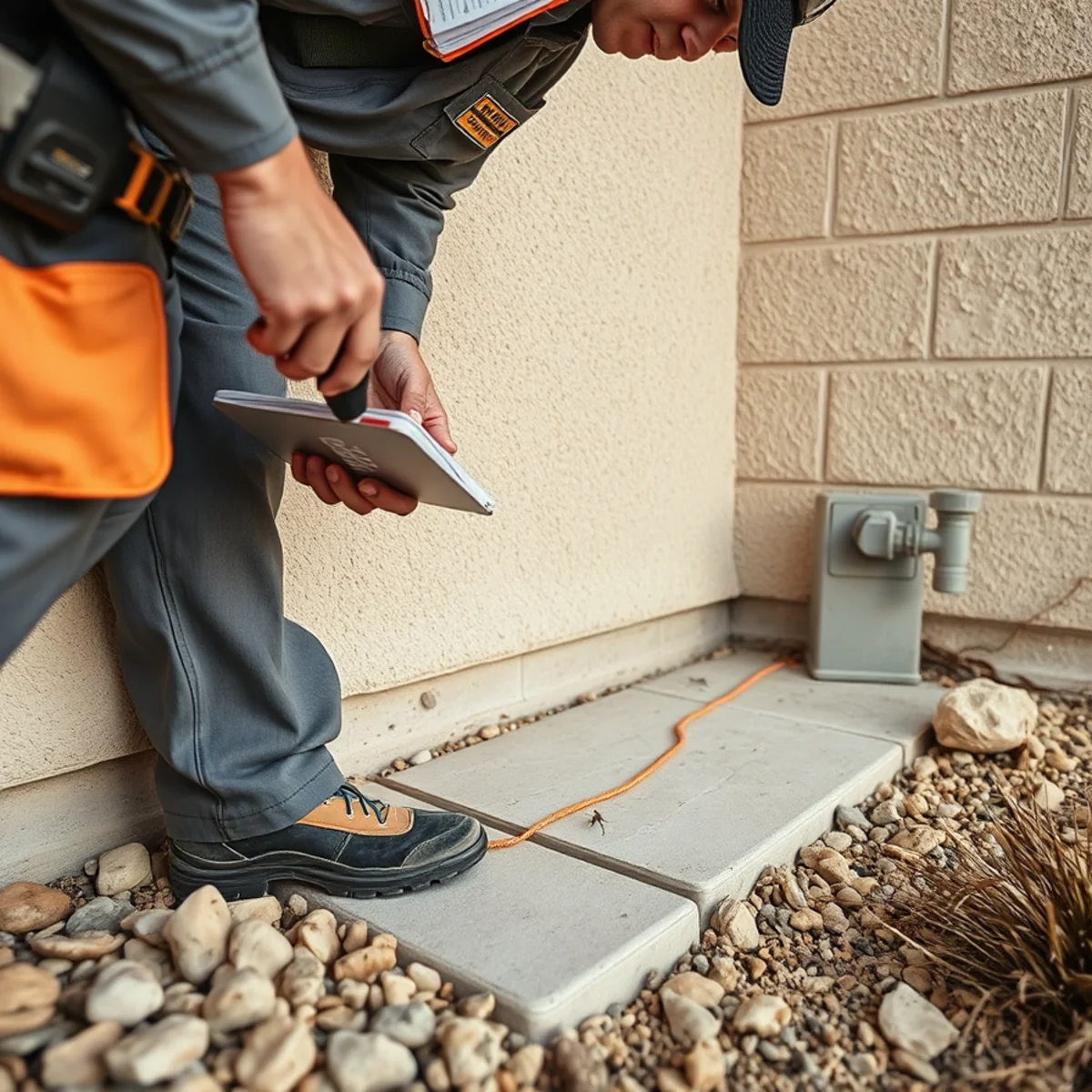
The visit begins with where and when you are seeing activity. Interior moisture points, exterior edges, storage areas, penetrations, and likely harborage zones are checked before a treatment plan is discussed.
Target the active zones
Treatment is selected for the pest and the setting. The work may focus on cracks, crevices, perimeter travel routes, wall-to-ground transitions, garage edges, or another specific source rather than applying material everywhere.
Reduce the conditions pests use
You receive practical recommendations for sealing, storage, moisture control, lighting, and landscaping. Small changes can make a treatment last longer by removing the reasons pests keep returning.
Confirm the follow-through
Customers consistently mention clear communication and follow-up. If a situation needs monitoring, you will know what changes to watch for and when another visit may be useful.
Built for El Paso's desert pest pressure
Dry weather does not mean low pest pressure. It concentrates pests around the few dependable sources of water and shelter on a property. A slow irrigation leak, pet bowl, air-conditioning condensate line, shaded block-wall gap, or crowded storage corner can support activity even when the surrounding landscape looks barren. During seasonal rain, populations that were hidden outside may suddenly move toward structures.
A local inspection connects those clues. Roaches near an exterior drain call for a different response than pantry pests in a cabinet. Ants following a utility penetration are not solved the same way as spiders hunting insects around bright exterior lights. Identifying that pattern is what turns a general service into a property-specific plan.
What good prevention looks like after service
Treatment works best when the property stops rewarding pests. Store food and pet supplies in sealed containers, repair drips, clear cardboard from garage walls, replace worn door sweeps, and keep vegetation from pressing against the structure. These are not busywork. Each step removes shelter or shortens a pest's route indoors.
You should also know what normal post-treatment activity looks like. Some pests may become more visible as they leave hiding places. The important measure is the trend over the following days and the condition of the original problem areas. Document where you see activity so any follow-up can be focused and efficient.
Make the first visit more productive
Before requesting general pest control, write down where and when you noticed ant trails near sinks, pantries, windows, or exterior walls, roaches appearing in kitchens, garages, utility rooms, or outdoor valve boxes, spiders and webbing returning soon after cleaning. Photograph evidence when you can do so safely, but do not disturb nests, droppings, mud tubes, harborages, or unfamiliar pests just to create a closer image. If you have used a product, installed an older barrier, moved furniture, repaired a leak, or changed landscaping, share the timing. Those details help connect the visible symptom to the route.
Clear access to the active zone without moving the problem into another room or structure. Be ready to discuss the pest species and whether more than one pest is active, the size, age, and construction details of the property, how widely the activity has spread indoors or outdoors. A precise history allows the assessment to spend less time reconstructing the story and more time confirming the source, explaining options, and defining what should happen first.
What affects the estimate?
No fake flat price can represent every property. These factors shape the scope:
- The pest species and whether more than one pest is active
- The size, age, and construction details of the property
- How widely the activity has spread indoors or outdoors
- Access to garages, storage areas, rooflines, utility zones, and perimeter edges
- Whether the need is a one-time treatment or an ongoing prevention plan
Why choose Annihilate Pest Control for general pest control
Owner-led explanations
Customers repeatedly name Robert and describe a technician who explains the source, the treatment zones, and the prevention plan instead of rushing through a generic route.
Desert-specific inspection logic
With 10+ years of experience, the service accounts for block walls, rock landscaping, irrigation, garages, open-desert pressure, construction, heat, and seasonal rain across El Paso.
Evidence before escalation
General service is not used to disguise a specialty problem. Termites, bed bugs, rodents, and pigeon work are separated when their inspection, preparation, materials, or follow-up requirements differ.
Scope customers can evaluate
135 supplied reviews support thoroughness, appointment communication, respectful work, and follow-up. The estimate is tied to evidence, access, and the work included.
General Pest Control across the El Paso service area
General pest control is available throughout the listed Texas service area, from city neighborhoods and Fort Bliss-area housing to growing Far East communities and Lower Valley properties. Each part of El Paso County changes the inspection: mature irrigation and vegetation create different moisture pressure than open desert, active grading, or a dense commercial corridor.
Use the local guides below to share the ZIP code, property setting, and likely exterior conditions before requesting service. Coverage and scheduling are confirmed from the complete Texas address; no New Mexico coverage is implied.
pest control in El Paso, pest control in Horizon City, pest control in Socorro, and pest control in Fort Bliss are detailed in their local service guides.