
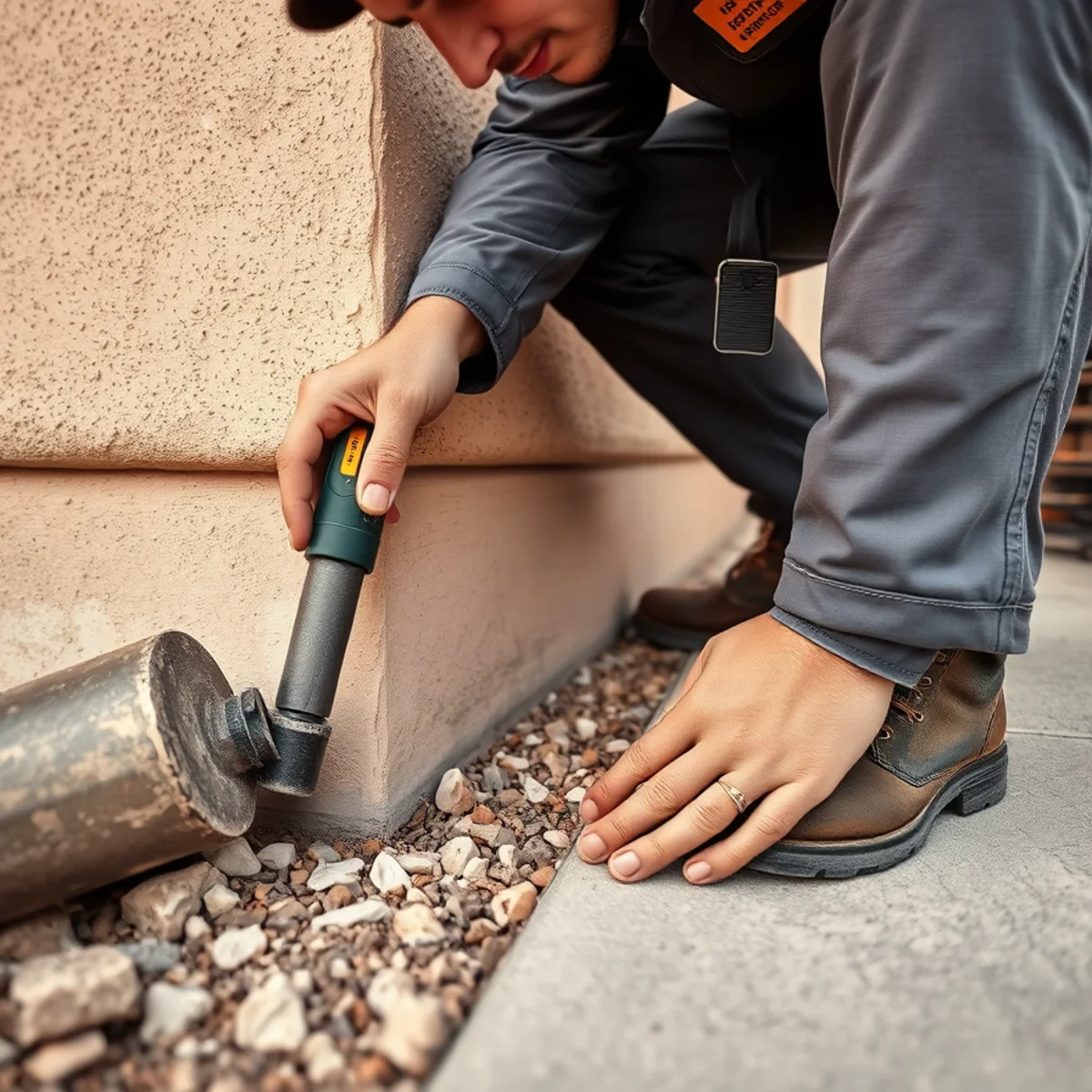
Termites can work behind finished surfaces long before the damage is obvious. In El Paso, subterranean termites can reach a structure from the soil through sheltered tubes, cracks, expansion joints, and concealed contact points. A termite service should begin by confirming evidence and understanding how the building meets the ground—not by treating every stain or damaged board as proof of an active colony.
Annihilate Pest Control provides termite services as part of its confirmed pest-control offering. The inspection looks for active and historic indicators, moisture, earth-to-wood contact, additions, patios, utility penetrations, and construction details that may hide access. You receive an explanation of what the evidence means and which parts of the property affect treatment scope.
Signs it is time to request termite services
- Mud-like shelter tubes on foundations, stem walls, piers, or interior surfaces
- Winged insects or piles of shed wings near windows and lights
- Wood that sounds hollow, blisters, or breaks along internal galleries
- Damage around door frames, baseboards, cabinets, or attached patio structures
- Persistent moisture or soil contact near wooden building elements
- Previous termite treatment evidence without clear records of the protected area
What is included in termite services
Evidence-led termite inspection
Accessible tubes, swarmers, shed wings, suspect galleries, damaged wood, foundation edges, moisture points, and soil or wood contact are documented. Historic damage and lookalike insects are separated from evidence that may indicate current activity.
Construction and access map
Slab edges, stem walls, attached patios, additions, garages, utility penetrations, exterior finishes, landscaping, and obstructed perimeter sections are reviewed because each can change where termites travel and where service can reach.
Property-specific recommendation
The recommended response is tied to confirmed evidence, construction, and accessible treatment zones. The page does not promise a universal product or method before the termite and structure are evaluated.
Records and prevention priorities
Owners are encouraged to retain inspection locations, treatment scope, prior records, and photographs. Moisture correction, earth-to-wood contact, buried debris, and future construction changes are prioritized where they relate to the evidence found.
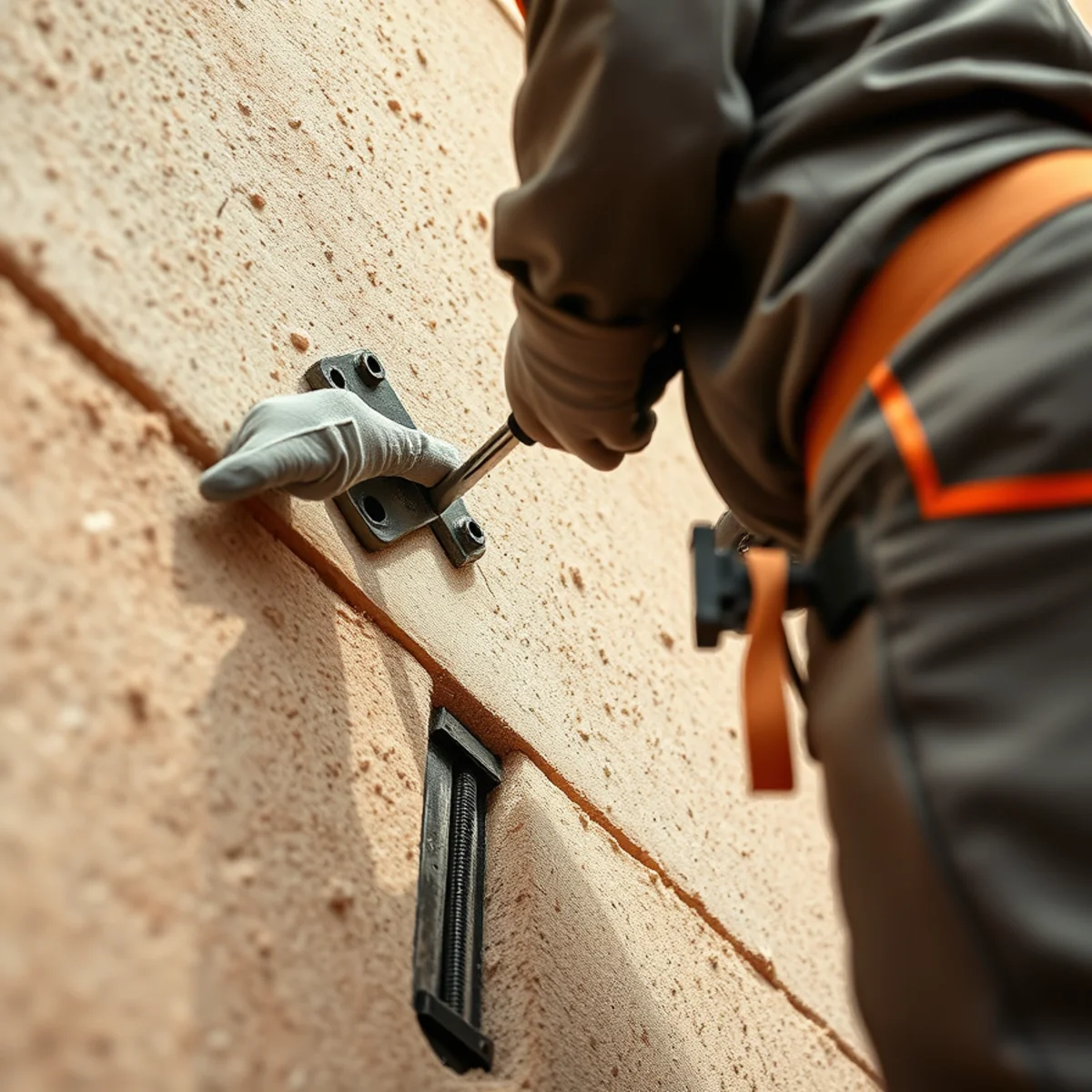
Our service process
Inspect the evidence
Suspect areas are examined along with accessible foundation edges, moisture points, wood contact, attached structures, and conditions that could conceal termite movement.
Separate termites from lookalikes
Swarmers, wings, pellets, moisture damage, and other insect activity can be confused. The treatment discussion begins only after the evidence is interpreted.
Define the treatment zone
Construction type and access determine where treatment can be applied effectively. Slabs, additions, patios, plumbing penetrations, and adjoining soil conditions all influence the scope.
Plan ongoing observation
After work, owners should know which tubes or damage areas were documented, what changes to watch for, and how moisture or contact conditions can be improved.
Why dry-looking properties can still have termite risk
Subterranean termites live around the soil, not in the open desert air. Irrigation, plumbing leaks, shaded foundation edges, buried wood, and protected joints can create the moisture and access they need. Stucco or exterior finishes that extend close to grade may also make tube activity harder for an owner to see.
Regular observation matters most around changes: a new patio, landscaping project, plumbing repair, room addition, or persistent wet spot. These can alter the path between soil and structure. If you find a suspicious tube, leave part of it intact for inspection and photograph the location before disturbing it.
An honest estimate depends on construction details
Termite pricing cannot be reduced to the number of rooms. The protected perimeter, foundation design, obstructions, treatment access, and evidence location determine the real work. Two homes with the same square footage may have very different slab edges, additions, patios, or interior access needs.
Ask what area the proposed treatment addresses and why. You should understand whether the recommendation is focused on a confirmed zone or designed for broader protection. Keep the inspection notes and treatment records with the property so future owners and technicians can interpret later evidence accurately.
Make the first visit more productive
Before requesting termite services, write down where and when you noticed mud-like shelter tubes on foundations, stem walls, piers, or interior surfaces, winged insects or piles of shed wings near windows and lights, wood that sounds hollow, blisters, or breaks along internal galleries. Photograph evidence when you can do so safely, but do not disturb nests, droppings, mud tubes, harborages, or unfamiliar pests just to create a closer image. If you have used a product, installed an older barrier, moved furniture, repaired a leak, or changed landscaping, share the timing. Those details help connect the visible symptom to the route.
Clear access to the active zone without moving the problem into another room or structure. Be ready to discuss evidence of active termites and the size of the affected area, foundation type, slab edges, additions, and attached exterior features, drilling, trenching, access, or other labor required by the treatment design. A precise history allows the assessment to spend less time reconstructing the story and more time confirming the source, explaining options, and defining what should happen first.
What affects the estimate?
No fake flat price can represent every property. These factors shape the scope:
- Evidence of active termites and the size of the affected area
- Foundation type, slab edges, additions, and attached exterior features
- Drilling, trenching, access, or other labor required by the treatment design
- Moisture correction and earth-to-wood contact conditions
- Prior treatment history and accessible documentation
Why choose Annihilate Pest Control for termite services
Identification before recommendation
Swarmers, ants, moisture damage, old galleries, and active subterranean evidence can lead to very different conclusions. The first job is to explain what the accessible evidence supports instead of turning every damaged board into a treatment claim.
Construction details shape the scope
Additions, patios, garage slabs, exterior finishes near grade, utility entries, and inaccessible perimeter sections are discussed before the estimate is finalized. Square footage alone is not treated as the answer.
Owner-led communication
Robert is repeatedly mentioned in supplied reviews for careful explanations, professionalism, schedule coordination, and follow-up. Those behaviors help owners understand inspection limits and keep useful records for later changes.
No invented guarantee or treatment label
10+ years of experience and 135 supplied reviews support the business record. Product, coverage, retreatment, inspection, or warranty terms are included only when confirmed in the property-specific proposal.
Termite Services across the El Paso service area
Termite services are available across listed Texas coverage areas, including El Paso, Horizon City, Socorro, and Upper Valley communities. Slab-on-grade homes, attached patios, additions, irrigated landscaping, older finishes near grade, and newer construction interfaces create distinct inspection conditions from one address to the next.
Provide the complete address, location of tubes, wings, insects, or damage, when it first appeared, and any prior termite documentation. Avoid removing every tube before the visit; photographs and an intact sample can make identification more useful.
pest control in El Paso, pest control in Horizon City, pest control in Socorro, and pest control in Upper Valley El Paso are detailed in their local service guides.