
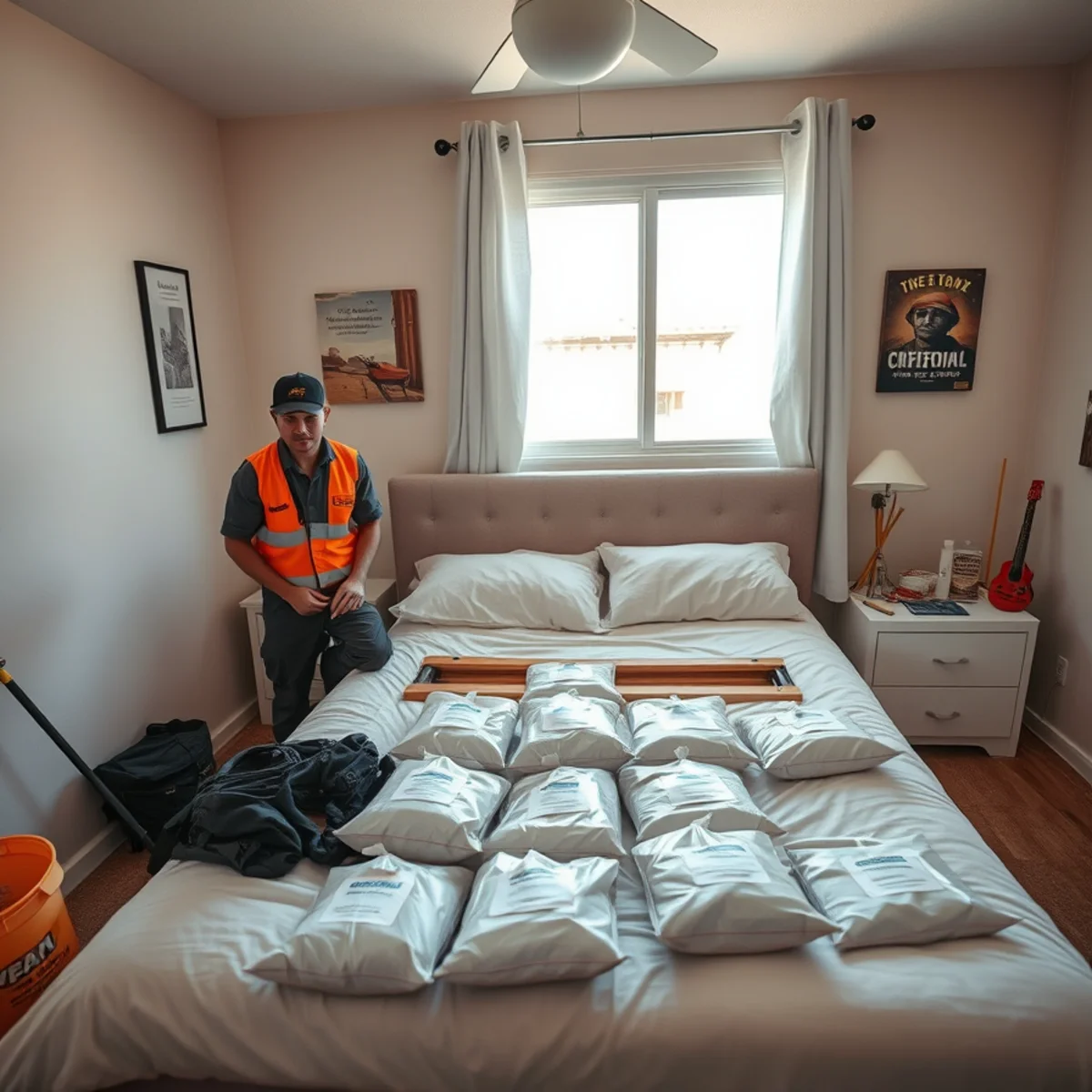
Answer first: Preparing for bed bug treatment means following the provider's room-specific instructions, reducing clutter without moving the problem, labeling sealed belongings, laundering or heat-processing only as directed, and keeping clean items separate from untreated ones. Do not discard furniture or sleep elsewhere automatically; both actions can spread activity or make monitoring harder.
Bed bug preparation should create access and contain the problem. It should not turn the entire house into piles of loose belongings. The exact checklist depends on the treatment method and the rooms included, so your provider's instructions take priority.
Use this guide to understand the purpose behind common steps and avoid actions that can spread activity before the inspection or treatment begins.
How to use this guide
- Start with confirm evidence before moving belongings. Use the detailed section below to record what is true at this property before choosing the next action.
- Then check do not change sleeping rooms without guidance. Use the detailed section below to record what is true at this property before choosing the next action.
- Compare the evidence with launder and contain in the correct order. Use the detailed section below to record what is true at this property before choosing the next action.
- Finish by reviewing create access around furniture. Use the detailed section below to record what is true at this property before choosing the next action.
Confirm evidence before moving belongings
Bites alone do not prove bed bugs. Look for live insects, cast skins, eggs, spotting, and evidence along mattress seams, frames, headboards, and nearby furniture. Photograph what you find and keep a specimen in a sealed container if safe.
Write down recent travel, guests, used furniture, moving activity, and the first suspected date. This history helps determine which rooms need inspection.
Do not change sleeping rooms without guidance
Moving to a sofa or guest room can spread bugs toward a new resting area. Keep the normal sleeping pattern stable unless the provider tells you otherwise.
Do not carry loose bedding through the home. Wait for bagging and laundering instructions tied to the treatment plan.
Launder and contain in the correct order
Items that are washed or dried as instructed should move into clean, sealed bags or containers. Label them so untreated and treated belongings do not become mixed.
More laundry is not always the first answer. The provider may want evidence and room layout preserved before preparation begins. Ask which items require action and which should remain in place.
Create access around furniture
Move small items from the floor and make bed frames, baseboards, furniture joints, and closet edges accessible according to the checklist. Avoid moving infested furniture into hallways or unaffected rooms.
Do not dismantle complex furniture unless directed. Uncontrolled disassembly can dislodge bugs and make reassembly difficult.
Avoid uncoordinated products
Foggers and repeated aerosol use can scatter bed bugs and complicate professional placement. Tell the provider every product used, the date, and the rooms involved.
Do not apply powders or liquids to mattresses, electronics, or personal items unless the label and provider instructions specifically allow it.
Plan for pets, people, and re-entry
Ask how long rooms must remain vacant, where pets should stay, which items leave with you, and what ventilation or re-entry steps apply. Do not assume every bed bug method has the same requirements.
After service, keep monitoring devices and treated room arrangements as instructed. Save new specimens and note dates rather than judging progress only by bites.
Expert insight: Use a clean-to-untreated workflow
Designate a staging area only after the provider approves it. Use clearly different labels for untreated items, items prepared for laundering or treatment, and completed clean items. Sealed bags should not become anonymous piles. Write the room, contents, and status on each one. This prevents a clean load of clothing from returning to an untreated dresser or a suspect item from entering a cleared room.
Plan the work in small zones. Finish the provider's steps for one bed, one dresser, or one closet section before beginning the next. Keep hallways and exits clear. Do not fill bathtubs, kitchens, or shared building corridors with belongings. If a household member cannot safely lift, heat, launder, or bag items, tell the provider before the appointment so the scope and timeline are realistic.
After treatment, resist the urge to reset the room immediately. Monitoring placements, bed isolation, furniture spacing, and sealed clean storage may need to remain for a defined period. Record specimens and dates. If you manage an apartment or shared-wall property, follow the agreed communication process so neighboring inspection can happen without moving furniture or belongings through common areas.
Before closing your notes, answer four property-specific questions. What did you document about confirm evidence before moving belongings? Which condition from plan for pets, people, and re-entry can you check without creating a safety risk? How would you answer “Do I need to throw everything away?” using only evidence from this address? Finally, which date, location, weather event, repair, or contractor visit best explains when the pattern changed? Keep the photos and answers together. If the evidence points toward a current infestation, concealed route, roof hazard, or repeated indoor activity, bring that packet to the estimate. It gives the service provider a usable timeline and keeps the recommendation tied to this property instead of a generic version of prepare for bed bug treatment.
Turn those observations into a one-page service brief. Start with the evidence connected to confirm evidence before moving belongings, then make a second column for plan for pets, people, and re-entry. Label each photograph with its room, wall, roof edge, or exterior side; include the date and any change after weather, cleaning, construction, or another contractor visit. Use the question “Can I sleep in the room after treatment?” as a final check for missing context. A concise record makes it easier to compare the visible symptom with the conditions described in this prepare for bed bug treatment guide and keeps the estimate focused on the address in front of the technician.
The practical next step
Good preparation is controlled, labeled, and method-specific. Preserve evidence, avoid spreading belongings, create the requested access, and keep clean items contained. Annihilate Pest Control provides bed bug treatment in El Paso and can give you a checklist matched to the actual service plan.